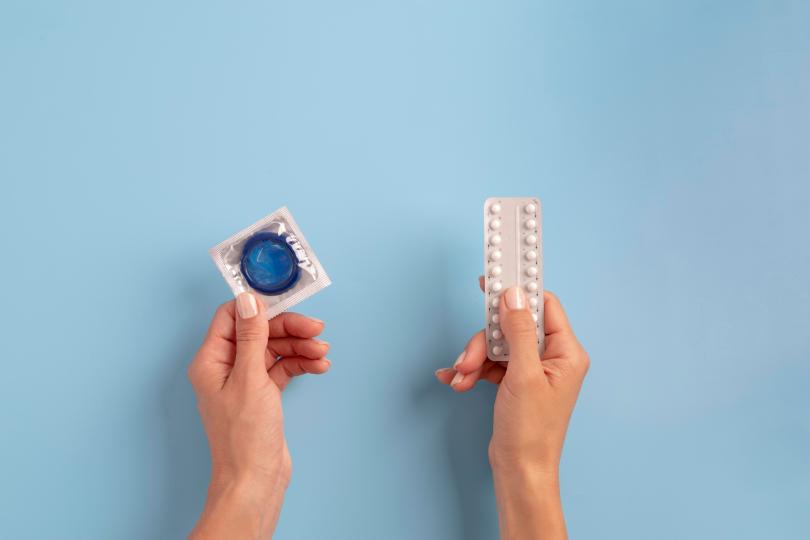
Choosing the right contraception can feel overwhelming, especially with so many options available. Whether you’re looking to avoid unintended pregnancies or manage your reproductive health, understanding your choices is essential.
Contraception plays a crucial role in family planning, allowing you to make informed decisions about your health and future. In London, a wide range of contraceptive methods are accessible, from hormonal options like pills and injections to non-hormonal methods like IUDs and condoms.
This guide aims to simplify your choices and help you find the contraception that best suits your needs and lifestyle.
Why is Contraception Important?
Contraception is essential for controlling reproductive health and making informed family planning decisions. It empowers individuals to decide if and when they want to have children.
Role in Family Planning and Health
Contraception allows people to plan the timing and spacing of pregnancies, which can improve overall health and well-being. By giving control over reproductive choices, it helps avoid unintended pregnancies and supports long-term family planning goals.
Benefits of Contraception
Using contraception reduces the risk of unintended pregnancies, which can bring emotional, physical, and financial challenges. Additionally, many contraceptives help regulate menstrual cycles, reduce menstrual pain, and lower the risk of certain reproductive health conditions. Making informed choices about contraception supports better overall reproductive health.
Types of Contraception Available in London
London offers a wide range of contraception options to suit different needs and preferences. Here’s an overview of the main types available.
Barrier Methods
Barrier methods, like condoms and diaphragms, physically block sperm from reaching the egg. They are simple to use and provide protection against sexually transmitted infections (STIs). Condoms are widely accessible and effective when used correctly.
Hormonal Methods
Hormonal contraception, such as birth control pills, patches, injections, and rings, prevent ovulation. These methods are popular due to their convenience and high effectiveness. They also help regulate menstrual cycles and reduce period-related symptoms.
Long-Acting Reversible Contraceptives (LARCs)
IUDs (intrauterine devices) and implants are highly effective, long-term solutions that can last several years. They require little maintenance once in place and are a great option for those who prefer not to think about daily contraception.
Emergency Contraception
The morning-after pill is available in London for use after unprotected sex or contraception failure. It’s most effective when taken as soon as possible, and it can be accessed from pharmacies, clinics, and some GP surgeries.
Permanent Methods
For those seeking permanent contraception, sterilisation is available for both men (vasectomy) and women. These procedures are highly effective but irreversible, making them suitable for individuals who are certain they do not want future pregnancies.
Natural Methods
Natural methods, such as fertility awareness and withdrawal, involve tracking fertility cycles or withdrawing before ejaculation. These methods require careful timing and discipline, and are generally less effective than other forms of contraception.
By understanding these options, you can choose the contraception method that best fits your lifestyle and needs.
How to Choose the Right Contraception for You
Choosing the right contraception depends on several factors. Here’s what to consider when making your decision.
Factors to Consider
Your age, overall health, and lifestyle play a major role in selecting the right contraception. Some methods are better suited for certain life stages, such as long-acting methods for busy individuals or non-hormonal options for those with health conditions affected by hormones. Your personal preferences, including how often you want to think about contraception, also matter.
Effectiveness
Each contraceptive method has a different level of effectiveness. Hormonal methods like birth control pills and LARCs (IUDs, implants) are highly effective in preventing pregnancy. Barrier methods like condoms also offer protection against STIs, making them a good dual-protection choice.
Side Effects
Consider the side effects associated with each method. Hormonal methods may cause mood changes, weight fluctuation, or headaches. Non-hormonal options, such as condoms or copper IUDs, usually have fewer side effects but may not be suitable for everyone. Always discuss potential side effects with your healthcare provider.
By weighing these factors, you can select a method that aligns with your health and personal needs.
Where to Access Contraception in London
There are several ways to access contraception in London, depending on your needs and preferences.
NHS Clinics
NHS sexual health clinics and GP services provide free contraception, including pills, implants, and IUDs. You can book an appointment for a consultation, and some clinics offer walk-in services for advice or prescriptions.
Private Clinics and Pharmacies
Private clinics offer a wider range of services, often with shorter waiting times. Many pharmacies also sell over-the-counter contraception, such as condoms, and emergency contraception without a prescription. They provide an easy and quick way to access basic contraceptives.
Online Services
Trusted online services and apps allow you to order contraception discreetly and have it delivered to your door. Many require an online consultation with a healthcare professional, ensuring you get the right product safely and conveniently.
These options make accessing contraception in London simple, with choices for everyone’s lifestyle.
Contraception and STI Protection
When choosing contraception, it’s important to consider protection against sexually transmitted infections (STIs).
Importance of Using Contraception That Protects Against STIs
Some contraceptives, like condoms, not only prevent pregnancy but also protect against STIs such as HIV, chlamydia, and gonorrhoea. Many other contraceptive methods, like pills and IUDs, do not provide STI protection. If you’re at risk of STIs, using a barrier method is essential for your sexual health.
Dual Protection
For full protection, many people choose dual protection. This means using a condom alongside another form of contraception, such as the pill or an IUD. This combination helps prevent both unintended pregnancies and STIs, giving you peace of mind.
By combining methods, you can ensure you’re protected against both pregnancy and infections.
Emergency Contraception in London
Emergency contraception is available if you’ve had unprotected sex or experienced contraceptive failure. Here’s how to access it in London.
Where and How to Access the Morning-After Pill
The morning-after pill is available from pharmacies, sexual health clinics, and some GP surgeries in London. You can buy it over-the-counter without a prescription. Many online services also offer discreet delivery of emergency contraception. NHS clinics may provide it for free.
Timing and Effectiveness of Emergency Contraception
The morning-after pill is most effective when taken as soon as possible after unprotected sex, ideally within 24 hours, but it can still work up to 72 hours or 120 hours depending on the pill. The sooner it’s taken, the higher the effectiveness in preventing pregnancy.
Knowing where and when to access emergency contraception ensures you’re prepared when you need it most.
Contraception for Special Groups
Different life stages and health conditions may affect the type of contraception that’s best for you. Here are options for specific groups.
Contraception After Pregnancy
For breastfeeding mothers, non-hormonal methods like IUDs or condoms are safe. Hormonal contraceptives containing progestogen, such as the mini-pill, can also be used without affecting milk production. Always consult your doctor before starting contraception after giving birth.
Contraception for Women with Health Conditions
Women with conditions like diabetes or hypertension need contraception that won’t interfere with their health. Non-hormonal methods or low-dose hormonal options like the progestogen-only pill are often safer. Discussing your condition with a healthcare professional helps in choosing the right method.
Contraception for Teenagers and Young Adults
Young people may need contraception that fits their lifestyle. Long-acting reversible contraceptives (LARCs), like implants or IUDs, are popular as they don’t require daily attention. Free advice and tailored services are available through clinics, ensuring safe and effective choices for teens and young adults.
These tailored options ensure that everyone can access safe and suitable contraception based on their needs.
Common Myths About Contraception
There are many misconceptions surrounding contraception. It’s important to have the facts to make informed decisions about your health.
Debunking Myths Around Birth Control
One common myth is that long-term use of the pill affects future fertility. This is not true. Once you stop taking the pill, your fertility returns to normal, and most women can conceive without delay. Another myth is that contraceptives cause weight gain, which only occurs in a small percentage of women.
Clearing Misconceptions About Safety and Effectiveness
Some believe that all contraception methods carry significant health risks. However, modern contraceptives are generally safe, and side effects are minimal. The IUD, for example, is highly effective and safe, despite outdated concerns about infections. Similarly, condoms are not only effective against pregnancy but also the only method that protects against STIs.
By clearing these misconceptions, you can make confident and informed choices about contraception.
Conclusion
Choosing the right contraceptive method is essential for managing your reproductive health and lifestyle. With so many options available, it’s important to find a method that suits your needs and preferences.
For the best results, seek advice from healthcare professionals. They can guide you through the options based on your health, lifestyle, and any specific concerns you may have.
Don’t hesitate to take control of your reproductive health. Consult your GP or visit a sexual health clinic to explore the best contraception for you. For more information, visit the NHS website or use directories like NHS Sexual Health Services.
 Healthcare Services